Part E. Case Studies
Roads4People in Côte d’Ivoire – Partnership for building resilient rural roads, empowering communities
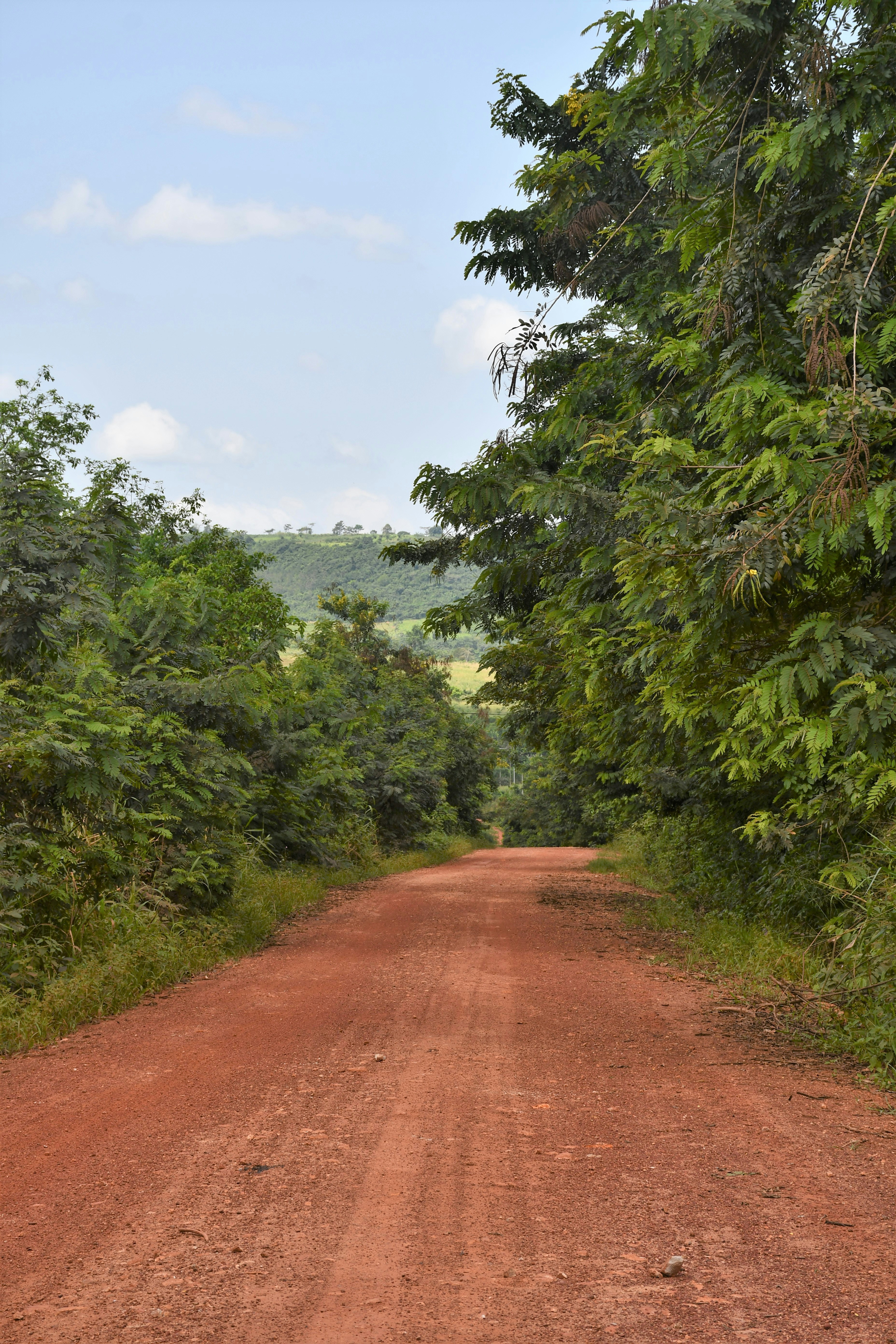
Reference: 92, Photo credits: Unsplash / Yoel Winkler
Background
Roads4People (R4P) in Côte d’Ivoire is a real-world example of how Life-Links works in practice: uniting stakeholders to co-invest in resilient logistics links, creating shared value across supply chains, and turning resilience into an opportunity for climate action and sustainable development.
Agriculture is the backbone of Côte d’Ivoire’s economy, contributing 27% of GDP. Cocoa, cotton, cashew nuts, palm oil, rubber and other export crops all depend on rural roads to reach processing hubs and ports. Yet fewer than 10% of roads are paved, many become impassable during rainy seasons, and climate change is worsening risks from flooding and heat. In 2020, only 60% of the population lived within two kilometres of a road usable year-round, which poses a major constraint on food security, health and education access, and inclusive economic growth.
Women and marginalized groups are especially affected, as 42% of Ivorian women work in agriculture and depend on safe rural roads for both income and daily needs.
What was done
The R4P, a partnership between UNIDO, ORIS and the Government of Côte d’Ivoire, introduces digital tools and advanced analytics to assess climate risks, prioritize investments, and plan both major and rural road interventions. Adaptation measures include climate-appropriate materials, improved drainage, raised road sections, culverts, and naturebased solutions. Social impact indicators are fully integrated to ensure equitable benefits, with communities directly involved in identifying priority interventions.
Value creation
Quantified results already show the scale of opportunity:
- 6% reduction in pavement construction costs through optimized design.
- 10% reduction in greenhouse gas emissions compared to standard road projects.
- 8% less natural resource extraction (aggregates, asphalt, etc.).
- Improved safety through measures aligned with international iRAP standards.
- Savings from optimized major road projects are reinvested into a Rural Roads Fund, creating a financing mechanism to maintain and expand rural road networks. This ensures year-round connectivity for communities, secures livelihoods for up to 31 million people, and reduces disruption to agricultural supply chains.
Looking forward
By improving the climate resilience of rural roads – critical links in agricultural supply chains – the programme safeguards livelihoods, secures food supply chains, and empowers rural communities to participate more fully in the economy. The next step is to broaden collaboration. Côte d’Ivoire is the world’s largest cocoa producer and an important source of cotton, cashew nuts and other crops. Multinational buyers and retailers sourcing from these supply chains have a direct stake in reliable rural roads. By aligning their investments with the R4P framework – for example, financing adjacent feeder routes using the same specifications and timeline – companies could expand the Rural Roads Fund, extend resilience benefits, and help safeguard the “critical links” that connect producers to global markets.